Tuesday, June 27, 2023

Drive Responsibly This Independence Day: Buzzed Driving Is Drunk Driving

The 4th of July is a time for a national celebration, full of backyard cookouts, pool parties, and fireworks. The buzz of a drink is not needed to feel the thrill of the summer holiday festivities. If you or someone you know decides to drink and is impaired by alcohol, it is not safe to drive a vehicle. This Independence Day, the Van Buren County Sheriff’s Office, the Van Buren County SAFE Coalition, and the U.S. Department of Transportation’s National Highway Traffic Safety Administration (NHTSA) urge drivers to share the message that Buzzed Driving Is Drunk Driving. 

In 2021, 212 people were killed in alcohol-impaired driving crashes over the 4th of July holiday period. That’s 212 people who started the day with party plans and ended the day with a permanent, unforgettable tragedy. According to NHTSA, 13,384 motor vehicle crash-related deaths in 2021 involved alcohol-impaired drivers. This represented 31% of all traffic fatalities in the United States for the year and a 14.2% increase from 2020. That same year, 538 people died in motor vehicle traffic crashes over the July 4th holiday alone (6 p.m. July 2 to 5:59 a.m. July 6). Thirty-nine percent (212) of those fatalities occurred in alcohol-impaired driving crashes. With many Fourth of July festivities wrapping up in the evening or late at night, more cars are on the roads at night. Over the 2021 July 4th holiday period, of the 212 people who died in alcohol-impaired motor vehicle traffic crashes, 82% of those fatalities occurred in nighttime crashes (6 p.m.–5:59 a.m.).

If you have to ask yourself if you’re safe to drive, the chances are low that you are. If you feel buzzed, you don’t belong behind the wheel of a vehicle. For some people, even one drink is too much to safely drive. If your plans include alcohol, make sure you have a sober driver on call to help you get home safely. Stay safe for the people in your life — loved ones, parents or children, and your buddies. Drive sober to protect them and to protect yourself.

We want our community to enjoy the July 4th holiday, and we want our community to celebrate responsibly. We’re partnering with NHTSA to share the message that Buzzed Driving Is Drunk Driving. It is never okay to drink and drive, even after just a few drinks. There are options for a sober ride. So, plan if you’ll be drinking this 4th of July, or any other day, and arrange for a sober ride.

The 4th of July holiday period is consistently one of the deadliest times of year on the nation’s roads. From 2017 to 2021, there were 1,460 drivers killed in drunk-driving crashes over the 4th of July holiday period. Thirty-eight percent (552) of the drivers killed during those years were alcohol-impaired (with a blood alcohol concentration of .08 or higher), and nearly half (44%) of the drivers killed aged 21-34 were drunk. Although it’s illegal to drive when impaired by alcohol, in 2021 one person was killed every 39 minutes in a drunk-driving crash on our nation’s roads.

No one should mix drinking and driving, and no one is immune to the effects of drunk driving. If you find yourself drunk and stranded with your vehicle, give your keys to a sober driver who can safely drive you home. Remind your friends to never get in the vehicle with a drunk driver. If you have a friend who is about to drive drunk, take away their keys and help them get home safely. Don’t worry about offending someone, you might be saving their life, or someone else’s. Always have a plan before you head out for the evening. If you wait until after you’ve been drinking to figure out how to get from one place to the next, you’re already too impaired to make the right choices. 

There are options to help impaired drivers get home safely, such as designating a sober driver or calling for a ride. If you see a drunk driver on the road, do not hesitate to contact the Van Buren County Sheriff’s Office.

This 4th of July and every day, only drive if you’re 100% sober because Buzzed Driving Is Drunk Driving. For more information on impaired driving, visit www.nhtsa.gov/risky-driving/drunk-driving.


Wednesday, October 5, 2022

Not My Child

Prescription medicine—a critical piece of our cultural fabric—“a pill for every ill”—all you have to do is turn on the TV, listen to the radio, or view ads on the Internet or in the newspaper to see and hear about the latest medicine that can cure migraines, treat pain and stress, keep you more alert, help you sleep or address depression. We walk that fine line between ensuring access to needed medications to preventing misuse and addiction. 

Just last year, my son broke his leg, and as a prevention specialist, I was most interested in the consult with the doctor—specifically, the type and amount of pain medications he was proposing to give him. To my dismay, he prescribed a very large dose of pain meds. My son and I agreed that this prescribing practice was excessive, and he may not need most of the pills. 

We found ourselves thrust into the middle of the prescription drug misuse problem. How much pain medication would he need? Where would we store the medicine, and how would we discard it after we were done? You say, “Why have this discussion—it won’t be my child.” He would never share medications, nor would he ever misuse or become addicted to this medicine.” Indeed, the discussion was a great exercise, and I was proud of him when he said, “you take care of the pain meds, Mom.” Prevention works! 

In this age of a “pill for every ill,” we live in a society where the potential for prescription drug misuse and addiction is ever-present. Among teens and young adults, next to marijuana and alcohol, Rx drugs are misused the most. A recent National Institute on Drug Abuse article states that an estimated 2 million Americans misused prescription pain relievers for the first time within the past year. Additionally, misuse of prescription drug rates are 14.4 percent for youth ages 18 to 25 and 4.9 percent for youth ages 12 to 17. 

In 2019, 4.9 percent of U.S. youth ages 12 to 17 reported using nonmedical prescription drugs. Important items to note:
Many teens and young adults still believe that Rx medicines are safer to misuse than illegal drugs.
These medicines are easy to get—about 54 percent of those abusing them obtain them from friends and relatives.
Approximately 2000 teens each day misuse Rx drugs for the first time (NIDA FOR TEENS).

Some teens and young adults will fall down that slippery slope of misuse and addiction. Before you can say, “Not my child,” you may find yourself saying, “it is my child—now what?” 

We see the more visible signs of Rx misuse every day:
Philip Seymour Hoffman—died of a heroin overdose, triggered by an addiction to prescription pain medicines.
Whitney Houston—died of an overdose of cocaine and prescription drugs.
Heather Ledger—died of an overdose of sleeping pills—both prescription and over-the-counter.
Michael Jackson, Marilyn Monroe, Anna Nicole Smith, Brian “Crush” Adams (professional wrestler), and Ken Caminiti (1996 Most Valuable Player-played for Houston Astros, San Diego Padres, and the Atlanta Braves)—died of a prescription drug overdose. 

Out of the spotlight are the teens and young adults who misuse and may become addicted to these Rx drugs. We need to protect our teens and young people. Be a part of the solution. Start by locking up your meds and properly disposing of them at the Rx Take Back Box at the Van Buren County Sheriff’s Office when they’re no longer needed. Then, get involved. Talk with your teen or young adult. I did! My son ended up taking only 1 of the 30 pain tablets he was prescribed for his broken leg, the remaining pills were successfully disposed of through our local drop-box, and the ensuing discussion—the impetus for this article—created a foundation for him to establish healthy, medicine-taking practices that will last a lifetime.

To learn more about how to prevent Rx drug misuse and addiction, contact the Van Buren County SAFE Coalition at 319-293-2579 or safe.coalition@vbcwarriors.org. 


Wednesday, May 4, 2022

Two Local Businesses Sell Alcohol to a Minor

On April 23, 2022 Alcohol Compliance Checks were completed at 23 alcohol establishments in Van Buren County. Two businesses, Circle B and the Vet’s Club, made sales to a person under the age of 21. The clerks making alcohol sales were issued citations for furnishing alcohol to a person under the legal age. The businesses may face additional fines from the alcohol and beverage division of Iowa.

The ultimate goal of the compliance checks are to keep youth from accessing alcohol from local retail outlets. The community wants to be sure that all merchants are taking action against youth alcohol access. This can be accomplished by ensuring that all employees are properly trained in checking identification cards. It is important that all employees check the ID of anyone who looks under the age of 40. This process will ensure that youth are unable to purchase alcohol from local retailers. 

Congratulations to the businesses who checked the ID and refused the sale, they included: AJ’s, American Legion, Boyd Grocery, Bridge CafĂ© & Supper Club, Casey’s, Crane Winery, Dollar General = Keosauqua, Dollar General - Farmington, Douds Kwik Stop, Flower House, Hel-Mart, Hotel Manning, Birmingham Jet Stop, Bonaparte Jet Stop, Milton Jet Stop, Moore’s Grocery, Riverbend Pizza & Steakhouse, River View Country Club, Simply Irresistible, Tillie’s Tap, and Town & Country Tavern.   

In an effort to protect the young people of our community, The Van Buren County Sheriff’s Office will continue to do random alcohol compliance checks of all alcohol establishments in the county. If your business would like to take part in a FREE merchant alcohol training you may contact the Van Buren County SAFE Coalition at 319-293-2579 or safe.coalition@van-burencsd.org.


Friday, April 29, 2022

Drug Use Severity in Adolescence Affects Substance Use Disorder Risk in Adulthood

 NIH-funded study shows screening for substance use disorder in teens may help predict adult prescription drug use and misuse and prevent overdose.  People who reported multiple symptoms consistent with severe substance use disorder at age 18 exhibited two or more of these symptoms in adulthood, according to a new analysis of a nationwide survey in the United States. These individuals were also more likely, as adults, to use and misuse prescription medications, as well as self-treat with opioids, sedatives, or tranquillizers. Published today in JAMA Network Open, the study is funded by the National Institute on Drug Abuse (NIDA), part of the National Institutes of Health.

While use of alcohol, cannabis, or other drugs is common among adolescents, previous studies have suggested that most teens reduce or cease drug use as they enter adulthood. However, this study indicates that adolescents with multiple symptoms of substance use disorder – indicating higher severity – do not transition out of symptomatic substance use.

“Screening adolescents for drug use is extremely important for early intervention and prevention of the development of substance use disorder,” said Nora Volkow, M.D., director of NIDA. “This is critical especially as the transition from adolescence to adulthood, when brain development is still in progress, appears to be a period of high risk for drug use initiation.” Dr. Volkow further discusses the findings and implications of this study in a related commentary.

Researchers in this study argue that key knowledge gaps currently hinder the initiation of screening, diagnosis, prevention, and treatment efforts for teens with substance use disorders. For example, previous methods evaluating persistence of substance use disorder tended to treat substance use disorder as one broad category, without looking at severity. They also failed to account for the possibility of polysubstance use, whereby individuals may use multiple drugs or switch the types of drugs they use as they grow older.

The NIDA-funded Monitoring the Future Panel study at the University of Michigan-Ann Arbor helped close this research gap by examining substance use behaviors and related attitudes among 12th graders through their adulthood in the United States. Since 1976, the study has surveyed panels of students for their drug use behaviors across three time periods: lifetime, past year, and past month. In this study, researchers looked primarily at a subgroup of 5,317 12th graders first evaluated between 1976 and 1986, who were followed with additional surveys at two-year, then five-year intervals for up to 32 years, until they reached age 50. Among the respondents, 51% were female and 78% were white.

The research team examined the relationship between substance use disorder symptom severity at age 18 and prescription drug use, prescription drug misuse, and substance use disorder symptoms up to age 50 in these individuals.

To measure severity of substance use disorder symptoms in adolescence, researchers recorded the number of substance use disorder symptoms that participants reported in response to initial survey questions. These questions were based on criteria for alcohol, cannabis, and “other drug” use disorders in the Diagnostic and Statistical Manual of Mental Disorders (DSM). The researchers categorized substance use disorder symptoms into five levels of severity: exhibiting no symptoms, one symptom, two to three symptoms, four to five symptoms, and six or more symptoms. Symptoms included, but were not limited to, substance use resulting in a failure to fulfill major role obligations and repeating substance use even when dangerous to health.

Approximately 12% of surveyed teens indicated “severe” substance use disorder, defined by this study as reporting six or more symptoms. Among this group, more than 60% exhibited at least two symptoms of substance use disorder in adulthood – an association found across alcohol, cannabis, and other drug use disorders. By comparison, roughly 54% of teens reporting two to three symptoms – indicative of “mild” substance use disorder – had two or more substance use disorder symptoms in adulthood. Higher severity of substance use disorder symptoms at age 18 also predicted higher rates of prescription drug misuse in adulthood.

Overall, more than 40% of surveyed 18-year-old individuals reported at least two substance use disorder symptoms (across all substances). More than half of the individuals who were prescribed and used opioids, sedatives, or tranquilizers as adults also reported two or more symptoms at age 18. This finding underlines the importance of strategies to increase safety and properly assess a potential history of substance use disorder symptoms when prescribing controlled medications to adults.

“Teens with substance use disorder will not necessarily mature out of their disorders, and it may be harmful to tell those with severe symptoms that they will,” said Dr. Sean Esteban McCabe, senior author of this study and director of the Center for the Study of Drugs, Alcohol, Smoking and Health at University of Michigan. “Our study shows us that severity matters when it comes to predicting risk decades later, and it’s crucial to educate and ensure that our messaging to teens with the most severe forms of substance use disorder is one that’s realistic. We want to minimize shame and sense of failure for these individuals.”

The authors note that more research is needed to uncover potential neurological mechanisms and other factors behind why adolescents with severe substance use disorder symptoms are at increased risk of drug addiction and misuse in adulthood. Characterizing possible causes of more severe substance use disorder could help improve understanding of vulnerability to chronic substance use and help make prevention and treatment strategies more effective.

References:

SE McCabe, JE Schulenberg, TS Schepis, VV McCabe, PT Veliz. Longitudinal analysis of substance use disorder symptom severity at age 18 and substance use disorder in adulthood. JAMA Network Open. DOI: 10.1001/jamanetworkopen.2022.5324 (2022)

ND Volkow, EM Wargo. Association of Severity of Adolescent Substance Use Disorders and Long-term Outcomes. JAMA Network Open. DOI: 10.1001/jamanetworkopen.2022.5656 (2022)


Friday, April 22, 2022

Alcohol Causes Cancer – Who Knew?

Once known as a crippling and devastating diagnosis, cancer is now often treatable and survivable thanks to the rapid strides we’ve made in medicine. One of the biggest advancements in cancer research in the past few decades is the discovery that nearly half of all cancer deaths in the United States are attributable to modifiable risk factors, such as environmental conditions and/or life choices, including alcohol consumption.

With alcohol consumption on the rise nationally during the COVID-19 pandemic, it’s more important than ever that we take the necessary steps to educate ourselves about alcohol to prevent its dangerous impact, such as the risk of cancer. Healthcare professionals know that most of their patients recognize the importance of diet and exercise in preventing long-term disease, but many are unaware of the risks posed by alcohol. According to the American Cancer Society, alcohol increases the risk for developing seven types of cancer: mouth, throat (pharynx), voice box (larynx), esophagus, liver, colon/rectum, and female breast cancer.  #ProofIsInTheNumbers. The more you drink, the higher your risk of cancer.

States with strong alcohol policy safeguards tend to have fewer alcohol-related cancer deaths, among other negative outcomes, according to new research released from the National Institutes of Alcohol Abuse and Alcoholism. Safeguards like limited hours and days of sales, increases in price, and government control over the sale of alcohol all have positive and protective results for the larger community.

Iowans need clear, credible information about the danger that alcohol and binge drinking can pose to your health. A key priority should be educating the public about the connection between alcohol and cancer. Most people don’t know that alcohol causes cancer. For example, just one drink per day increases a woman’s relative risk of breast cancer by up to 50%. These are important numbers that people have a right to know as a basic consumer protection.

The American Society of Clinical Oncologists has called for states to strengthen their alcohol policy safeguards to address this preventable risk factor. Improved knowledge of the link between alcohol and cancer also improves people’s support of alcohol-related policies. Clinicians can take the time to discuss the risks associated with alcohol consumption and its linkage to cancer with all patients.

Reducing alcohol consumption should be in the Cancer Prevention Plan of every state, as recommended by the American Public Health Association. By enhancing and reinforcing our cancer prevention policies, we can continue to lead the way on this critical public health issue.

Community Resources

The Best You & SAFE Coalitions       (319) 293-2579

ADDS                                                   (319) 524-4397

Sieda Community Action                  (641) 682-8741

Counseling Associates                      (319) 524-0510

Young House Family Services           (319) 524-2386

R & R Counseling Solutions              (319) 293-3635

Quitline Iowa                                     (800) 784-8669

Your Life Iowa.org                             (855) 581-8111

Thursday, April 14, 2022

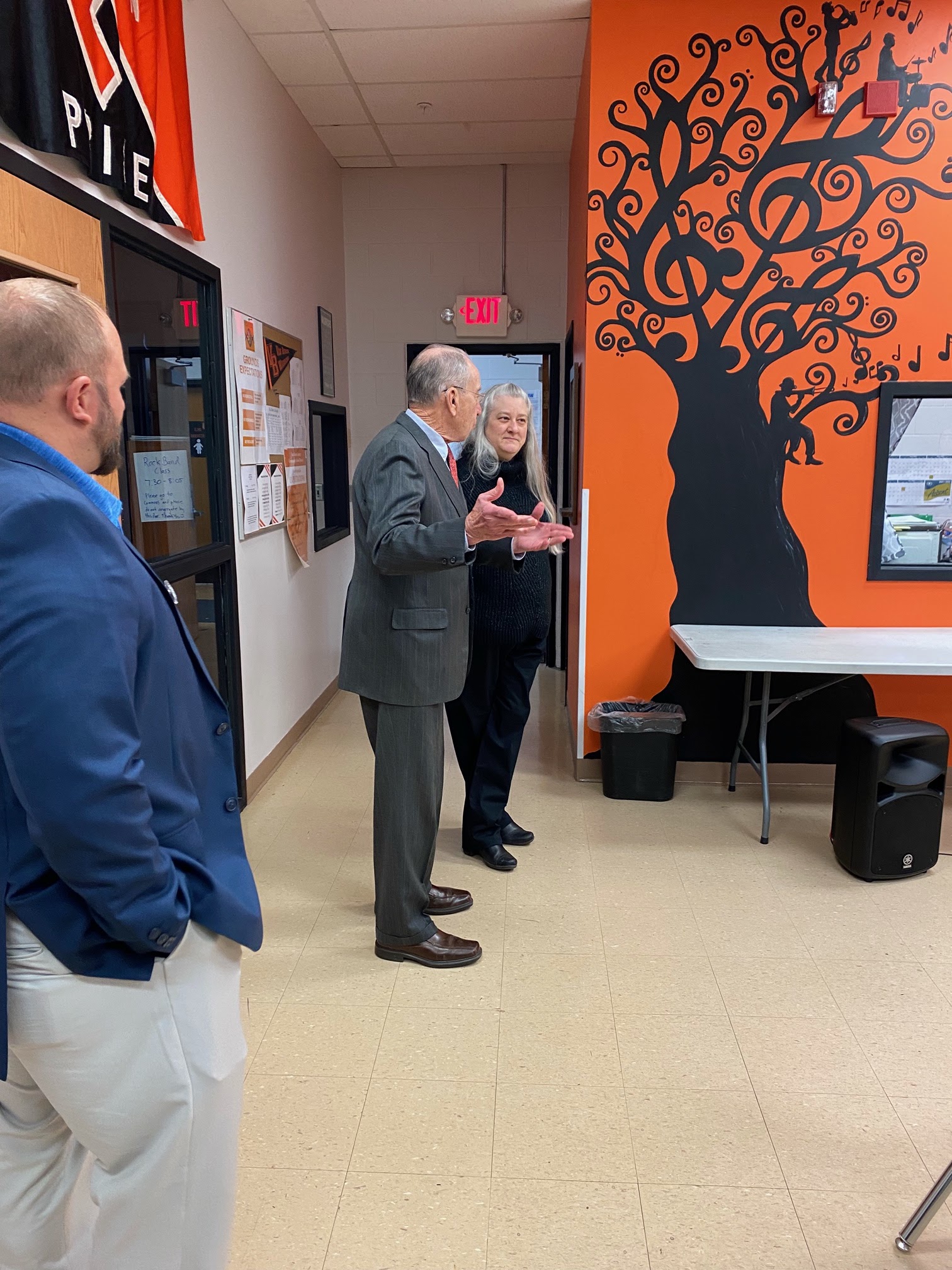
Senator Grassley Visits Van Buren County


Wednesday, April 13, 2022 the Van Buren County SAFE Coalition hosted a visit to Van Buren County by Senator Chuck Grassley for a question and answer time with high school students, community and coalition members.  This meeting was part of Senator Grassley’s annual tradition to hold at least one Q & A in every one of Iowa’s 99 counties. 

During the meeting Senator Grassley allowed the attendees to ask questions and share information on what was happening in their area of the community.  The issues discussed included substance misuse prevention work and substance misuse issues in the county, agriculture, rural health care, school funding, what a day in the life of a senator looks like, how can citizens feel safe in today’s climate, etc.  Each attendee was allowed a time to present their information to the Senator and ask questions of him.  He also took time to ask questions of the individuals present about the work they are doing and issues they are facing. 

The Van Buren County SAFE Coalition would like to thank Senator Grassley for allowing them to host this event and for coming to Van Buren County to interact with his constituents.  The coalition would also like to thank all of the community members who attended the meeting and added to the active and productive dialogue. 

For more information on the SAFE Coalition please check out these online sites:

Blog: http://vbsafecoalition.blogspot.com/

Website: http://www.van-buren.k12.ia.us/vnews/display.v/SEC/RESOURCES%7CSAFE%20COALITION

SAFE Coalition Facebook Page: https://www.facebook.com/vanburencountysafecoalition/

YLC Facebook Page: https://www.facebook.com/vanburencountyyouthleadershipcouncil/

 You may also contact the coalition at 319-293-2579 or safe.coalition@van-burencsd.org.


Investing In Our Future


As a parent, guardian, or mentor, there are many conversations we dread having when it comes to talking to kids, but a conversation about alcohol doesn’t have to be one of them! It’s very important to talk to the kids in your life about the use of alcohol. This is a topic that I’m passionate about and I hope you are too! This article will look at why we should talk to kids, provide some tips on how to talk to them, and provide some online resources. 

Why? As parents, guardians, and mentors, we are an important influencer in the lives of kids. I know sometimes that’s hard to believe, but trust me – kids are always watching, listening, and imitating the adults in their lives. By having an open relationship with good communication, we can help the kids in our lives make better decisions. By talking to kids about the use of alcohol, we can help protect them by giving them the facts before they find themselves in a risky situation. Kids who have had conversations with a trusted adult are less likely to experiment with alcohol. They are also less likely to depend on their peers for information. By including your expectations and the hopes and dreams you have for them, you can build self-esteem while telling them the risks that using alcohol will have on their future. Keep in mind that the earlier you start having conversations with kids about substance use, the better! By age 12, 10% of kids have already tried alcohol. By age 15, it jumps to 50%. By the time kids are seniors, 70% have tried alcohol. By talking to kids early, you can help to lower those percentages. 

How? Talking to kids about important issues like alcohol use can be daunting. Here are some tips on how to have a successful conversation about alcohol use:

·        Start early! Kids as young as 5 can handle an age-appropriate conversation about alcohol use. Find the teachable moments like when a commercial involving alcohol comes on the tv, when you see products being sold at a store you’re visiting, or when you’re at a restaurant that sells alcohol to hold an appropriate conversation. If age appropriate, mention the dangers and peer pressure found in social media. Also keep in mind that genetics play a role in addictive personalities and that prevention is even more important to those kids genetically at risk.

·        Be open and honest. By talking about our experiences (or even lack thereof), we build trust and respect. Tell them that you try to be a good role model, but that no one is perfect.

·        Be consistent and repetitive. This will help you send a clear message about your expectations and rules when it comes to alcohol use. By talking often, you can keep the lines of communication open and make the right choice an easier option when kids are in risky situations.

·        Hold your boundaries. This is important because kids need to understand there are consequences to every choice. It’s safer for them to learn that with someone they trust. Keep your boundaries clear and be firm with them. However, always allow them the chance to explain their choices to help them prepare for the next time.

·        Stay calm and focus on guidance. Don’t get defensive! Remember, our job is to better guide them when it comes to choices involving alcohol. We’re not going to always be there when the choices are presented so giving them tools to make a good choice is essential. As you focus on guidance, remind them how assertiveness, strength, and confidence are excellent leadership qualities that are important to have when choices are presented.

·        Listen! Don’t be judgmental. Keep the focus on connection in order to continue to build trust. Most often, we all just want someone to hear what we’re saying. If appropriate, make sure to slip in an “I love you” or a “You’re important to me” and a “Thanks for trusting me enough to tell me this”. You can also use this time to build self-esteem by acknowledging their feelings.

·        Be accessible. Make time to focus on the conversation – especially when kids approach you. Always do your best to be there for them, even during a crisis.

·        Talk about healthy coping mechanisms. We know that most people use alcohol as a coping mechanism. Offer healthy options like exercise, hobbies, taking a nap, or self-care as better options. End the stigma of asking for help!


Here are three great websites that can help to guide you in conversations, provide tools to help you recognize when kids are using substances, and some do’s and don’ts.

·        The first is the SAMHSA website. They have a great resource called “Talk. They Hear You”. You may have seen some advertisements (billboards) with this slogan. Visit www.samhsa.com .

·        A second resource is the University of Rochester’s website. Their site gives pointers on guiding conversations and some signs that the kids in your life may be using substances. Visit www.urmc.rochester.edu .

·        The third resource is from Vertava Health. Their site gives you some do’s and don’ts when it comes to talking to kids about substance use. Visit www.vertavahealthtexas.com .

I hope this information helps when it comes to talking to the kids in your lives about alcohol. Thanks for helping to lead prevention efforts at home, work, church, and out in the community!

Community Resources

The Best You & SAFE Coalitions       (319) 293-2579

ADDS                                                   (319) 524-4397

Sieda Community Action                  (641) 682-8741

Counseling Associates                      (319) 524-0510

Young House Family Services           (319) 524-2386

R & R Counseling Solutions              (319) 293-3635

Quitline Iowa                                     (800) 784-8669

Your Life Iowa.org                             (855) 581-8111


Thursday, April 7, 2022

Finding the Right Fun

 It’s Friday night. You don’t have to work tomorrow, the babysitter is with the kids, you’re dressed to impress, your partner is in a good mood, and the scene is set for a fun night out, which you desperately need. It’s been another long week. Your boss has been piling on the work, the kids need you to take them to a million practices each night, dinner needs to be made, the house needs to be cleaned, and your relationship has felt strained at best. You’re ready to unwind, let go, and have a few drinks. Sound familiar? If so, you’re not alone. The trend of using alcohol to cope with the insane amount of pressure women face daily is on the rise. In fact, between 2019 and 2020, alcohol consumption among women increased by a whopping 41%!

Although most of us drink in moderation, this disturbing trend of using alcohol to cope with life’s stresses can have big impacts over time. Our bodies adjust to alcohol causing us to need more alcohol to get a buzz or to even just feel relaxed. Before you know it, casual drinking can evolve into a needed release. Now besides being a danger to yourself, your relationships, and your children, you’ve become a danger to our community. A disturbing trend is the rise in ER visits by women due to alcohol consumption.

Alcohol lowers our inhibitions and impairs our decision-making abilities. That is why drunk driving, risky behaviors (sexual or non), and accidents of many kinds happen. The rise of alcohol-related ER visits can impact our entire community. It places a significant burden on our healthcare system. Not only that, but it places a financial strain on all of us. A rise in ER visits will increase our insurance costs and our out-of-pocket costs.

So, what’s the solution? Although there isn’t a single solution to the problem of rising ER visits that are alcohol-related, there are ways we can reduce the problem before it gets out of hand. At the individual level, we as women need to start taking better care of ourselves! By taking a little time each day to prioritize ourselves, we can reduce the need for alcohol as a coping mechanism. A little time can look like taking a yoga class, meditating over the lunch hour, a quiet cup of coffee or tea alone in the morning before the household awakens, having a healthy meal with friends, or anything that promotes well-being.  Whatever that may look like for you. We can’t take care of everyone else if we’re not taking care of ourselves. At the community level, we can begin having honest and meaningful conversations about alcohol and our daily stresses with our partners, our friends, our neighbors, or our co-workers. Normalizing conversations is a big step in identifying our needs and the needs of others. Believe it or not, most women feel the same way you do, we’re just often hesitant to reach out. At the society level, we can advocate for stronger alcohol policies. Strong alcohol policies result in less drinking and fewer harms.

Let’s begin making Friday nights a night we can actually remember. Find healthier alternatives that don’t involve alcohol to decompress. Find an event that doesn’t involve alcohol, go see a movie, go roller skating, take the family to the park or set up an obstacle course in the backyard or living room, or even enjoy a date night outside of the bar. Making true connections with people will make memories that last.

Community Events Calendars

Radio Keokuk         https://www.radiokeokuk.com/the-community-calendar-3/

Fort Madison Partners https://www.fortmadison.com/events/

City of Donnellson         https://donnellsoniowa.org/calendar-of-events

Keosauqua Chamber https://keosauqua.com/calendar.html

Villages of Van Buren https://villagesofvanburen.com/calendar.html

Community Resources

The Best You & SAFE Coalitions (319) 293-2579

ADDS                 (319) 524-4397

Sieda Community Action         (641) 682-8741

Counseling Associates         (319) 524-0510

Young House Family Services (319) 524-2386

R & R Counseling Solutions         (319) 293-3635

Quitline Iowa                 (800) 784-8669

Your Life Iowa.org                 (855) 581-8111

Monday, April 4, 2022

An Important Conversation About Alcohol


Talking about alcohol use takes courage, but sharing our stories connects us and makes us stronger. We are all people and deserve to be seen and treated as such. Removing the stigma around talking about alcohol is the first step towards reducing harm in our community. Stigma is a damaging thing. It keeps us from seeking help, from helping others (as though alcoholism is contagious), and from keeping an open mind. Stigma leads to guilt and shame, causing people to hide their addictions and prevents them from getting the treatment they need.

According to Dr. Paul Gilbert from the University of Iowa College of Public Health, “Although 20% of adult Iowans are abusing alcohol, the impacts are far-reaching and stretch beyond just the drinker, to family, friends, co-workers, and others in their circle, and can have lifelong impacts if not addressed.” So, what can WE do to help? The best ways to end stigma is to get to know more, talk about it, and to show compassion. The causes of alcohol addiction can be very complex and filled with numerous variables. By taking the time to learn the whys around why people drink, you can learn to understand why drinking occurs. This can help reduce your own stigmas, preconceived notions, and begin to change your views around drinking. By talking about it, you can help humanize the disease and give hope that recovery is possible. Always show compassion. People need support, not scorn or shame. Just because someone is struggling with alcohol consumption, that doesn’t make them less of a person.

How do you talk to someone about their alcohol use? First, pick the moment for a conversation. A good time is when the person is in a good head space. Always give the person time to talk about their experiences and their feelings. Support them if they’re ready to make a positive change. Some good conversation starters can be: “I’m a bit worried about you…”, “Do you feel you drink more than you plan to sometimes?”, or “Are you worried about your drinking?”. Never place blame or use accusations. Use the conversation to connect and support. Always communicate with care, offer information and available resources, provide as much ongoing support as you can, and remain committed to checking in on them periodically.

Having these conversations is so important, not only to the person drinking, but also to those involved in their lives. Our actions affect those around us – our partners, our children, our friends, our co-workers, and in some cases, it can even affect our community. Drinking lowers our inhibitions, our ability to function normally, and can cause physical harm. Alcohol causes impaired driving leading to car accidents, pedestrian casualties, and increases in traffic stops. Alcohol can cause us to ruin good relationships, cause us to be unreliable employees, and affects our ability to parent. Alcohol abuse has become so normalized in our community that we even have parents providing alcohol for minors in their homes. This continues the cycle of alcohol abuse through generations. This cycle must stop, and we need to find healthier ways to deal with our traumas outside of drinking.

By taking the time to have a conversation, you can help reduce the harm in our community, conserve community funds, help families, end the generational cycle pattern, and start to reduce the stigma around talking about alcohol abuse. Change often begins with one person – be the change our community needs!

Community Resources

The Best You & SAFE Coalitions       (319) 293-2579
ADDS                                                   (319) 524-4397
Sieda Community Action                  (641) 682-8741
Counseling Associates                      (319) 524-0510
Young House Family Services           (319) 524-2386
R & R Counseling Solutions              (319) 293-3635
Quitline Iowa                                     (800) 784-8669
Your Life Iowa.org                             (855) 581-8111

Friday, October 29, 2021

Friday, September 11, 2020

Back to School Activities

It’s 3pm on a school day. Do you know where your children are?

As summer vacations end and students start a new school year, here are a few reasons you should encourage them to get involved with after-school activities:
Children & teens are more likely to be the victims of crime during the after-school hours than at any other time.
Children & teens are more likely to participate in violent crimes during the after-school hours than at any other time.
Children & teens are more likely to engage in risky behaviors such as tobacco, alcohol or drug use or sexual activity during the after-school hours than at any other time.

Courtesy National Youth Violence Prevention Resource Center

Our young children often attend after school daycare or programs provided by their elementary schools, but by the time children reach middle school they are often left on their own after school.  It seems sensible enough. They are old enough to get their own snacks and open their books to complete their homework. They know who to call if they have an emergency. However, adolescents benefit from after-school activities and supervision, too. 

Youth who spend only a couple of hours per week in extracurricular after-school activities are significantly less likely to drop out of school; become teen parents; or use tobacco, alcohol or drugs. Spending 5-19 hours per week in after-school activities reduced the risk even further. 

It is important that these activities are not just time wasters, but are programs that help youth develop skills and values and provide them with experiences that mean something to them.

It doesn't take a lot. Our schools and community offer a variety of after-school clubs, sports and activities. Encourage your children to find something that interests them and participate regularly.  If your student is in Grades 7-12 please have them check into the Youth Leadership Council that meets at the VBCCSD Middle/High School.  This is a group sponsored by the Van Buren County SAFE Coalition and works on leadership skills with the youth involved to address health, wellness, and substance abuse prevention in Van Buren County.  

For information about YLC and the coalition please contact the SAFE Coalition by phone at 319-293-3334 ext. 1017 or by email at safe.coalition@van-burencsd.org.


Thursday, September 3, 2020

September is National Suicide Prevention Month

By Kim Torguson of the Action Alliance
The National Action Alliance for Suicide Prevention (Action Alliance) – the nation’s public-private partnership championing suicide prevention as a national priority – and its partners, like the Van Buren County SAFE Coalition in Iowa, are coming together to inform the public about simple actions that can support someone in crisis and potentially help save a life. This September, during National Suicide Prevention Month and National Suicide Prevention Week, the Action Alliance is asking organizations to step up to educate the public about the role anyone, anywhere can play in being there for someone who is struggling or in crisis.
 Join the collective effort!
·       Promote the hashtag #BeThe1To when posting social media messages about being there
·       Visit our website to access information about our partner’s campaigns focused on being there for others
For more information on Suicide Prevention month please contact the SAFE Coalition at 319-293-3334 ext. 1017 or safe.coalition@van-burencsd.org or checkout the National Action Alliance for Suicide Prevention website: http://actionallianceforsuicideprevention.org/national-strategy-suicide-prevention-0

Monday, August 10, 2020

Resources for Parents

Are you a Van Buren County Parent who is in need of information on drug and alcohol misuse?  The SAFE Coalition is here to help you!  You can contact the SAFE office any time via phone 319-293-3334 ext. 1017 or by email – safe.coalition@van-burencsd.org.  

Currently the Coalition would like to share with you some of the online opportunities that are available for parents:

Talk They Hear You: https://www.samhsa.gov/underage-drinking/mobile-application
Institute for Behavior & Health: https://www.ibhinc.org/
How to Talk about Marijuana: https://drugfree.org/article/how-to-talk-about-marijuana/
Smart Approaches to Marijuana: https://learnaboutsam.org/
Kevin Sabet on Marijuana: http://kevinsabet.com/
Partnership for Drug Free Kids: https://drugfree.org/resources/
Tobacco Free Kids: https://www.tobaccofreekids.org/
National Institute on Drug Abuse: https://www.drugabuse.gov/
National Institute on Drug Abuse – Marijuana: https://www.drugabuse.gov/drugs-abuse/marijuana
Smoke Free: https://smokefree.gov/
Easy to Read Drug Facts: https://easyread.drugabuse.gov/
Family Checkup: Positive Parenting Prevents Drug Abuse: https://www.drugabuse.gov/family-checkup
Family Resource Center: http://www.familyresourcectr.org/
Stop Underage Drinking: https://www.samhsa.gov/iccpud
Too Smart to Start: http://www.toosmarttostart.samhsa.gov/

Parents, family, and friends of teens please make sure to check out these sites or contact the Coalition for more information on issues that teens are facing today!  Van Buren County SAFE Coalition: 319-293-3334 ext. 1017 or safe.coalition@van-burencsd.org.


Wednesday, July 29, 2020

STOP Act Grant Awarded to the SAFE Coalition


The Van Buren County SAFE Coalition and Van Buren County Community School District has been awarded a grant from The Substance Abuse and Mental Health Services Administration to STOP (Sober Truth on Preventing) Underage Drinking. The grant award was for $50,000 a year for 4 years beginning April 30, 2020. The program will work to make server trainings mandatory for every business that obtains a liquor license, provide 12 Merchant Alcohol Trainings (two trainings every other month), and will support the efforts of law enforcement to perform semi-annual compliance checks. The ultimate goal of these activities is to reduce the access to alcohol by underage youth and young adults, in turn reducing the number of youth and young adults who are using alcohol in the county. If you would like more information on the STOP Act Grant or any of the coalition’s activities please feel free to contact the SAFE Coalition at 319-293-3334 or safe.coalition@van-burencsd.org. 


Thursday, July 23, 2020

Van Buren County IPFS Project Has Ended

The Van Buren County SAFE Coalition was awarded the Iowa Partnership for Success (IPFS) Grant in February 2015 to address underage drinking and underage binge drinking in Van Buren County.  The coalition completed the fifth year of this five year grant on September 29, 2019.  The Van Buren County SAFE Coalition’s IPFS project was funded by the Iowa Department of Public Health (IDPH), through the Substance Abuse and Mental Health Services Administration (SAMHSA) of the U.S. Department of Health and Human Services.

The coalition received a nine month extension (September 30, 2019—June 30, 2020) from IDPH funded through State of Iowa beer and liquor permit revenue to continue to address two of the IPFS strategies and two new strategies.  The coalition members chose to continue to address Alcohol Restrictions at Community Events at Privately Owned Facilities and Alcohol Restrictions in Public Places.  The two new strategies are a Media Campaign produced by IDPH “As You Age, THINK BEFORE YOU DRINK” to address the increase in deaths from alcohol use by people over 45; and to promote suicide prevention work in the county. 

During the nine month extension of the IPFS Project the coalition worked on implementing the four strategies it was funded to work on as follows:  
1) Alcohol Restrictions at Community Events at Privately Owned Facilities: The coalition worked with privately owned facilities to help them write, adopt, and implement newly written alcohol policies focused on the Best Practices for Alcohol Service at their location.  No new policies were put in place during the grant extension.  The coalition would recommend that all facilities in the county put into place a written alcohol restriction policy to help limit the access to alcohol by youth and young adults.  If you are interested you may contact the coalition office for more information. 

2) Alcohol Restrictions in Public Places: The coalition worked with city councils to help them write, adopt, and implement newly written alcohol policies focused on the Best Practices for Alcohol Service at their local parks and ball fields. The coalition worked cities to help them to implement these policies, but no new policies were put in place during the grant extension.  The coalition would recommend that all towns in the county put into place a written alcohol restriction policy for their community parks and ball fields to help limit access to alcohol by youth and young adults. 

3) Older Adult Drinking Prevention Media Campaign: The coalition worked with local media outlets to implement IDPH’s “As You Age, THINK BEFORE YOU DRINK” older adult drinking prevention media campaign.  The coalition utilized posters at the hospital and clinics, a billboard ad, newspaper ads, and radio ads to promote the campaign during the grant extension.  The coalition worked with local media outlets to ensure older adults were exposed to the media campaign. 

4) Adult Suicide Prevention: The coalition worked to increase the capacity of the county to address Adult Suicide Prevention.  The coalition worked to educate community members on the risk and signs of potential suicide in family members and friends.  The coalition provided the opportunity to community members to participate in the online START Suicide Prevention Training to train local community members and stakeholders in how to help prevent suicides in the county.  This opportunity is still available for community members.  Please contact the coalition office if you are interested.  The coalition members also worked to promote IDPH’s Your Life Iowa website (yourlifeiowa.org) and related resources.  This included articles and ads in the newspaper.   

For more information on the Van Buren County Partnership for Success work or the SAFE Coalition please contact the coalition at 319-293-3334 ext. 1017 or safe.coalition@van-burencsd.org.